How to Find the Best Hairstyle for Women Over 40 Easily
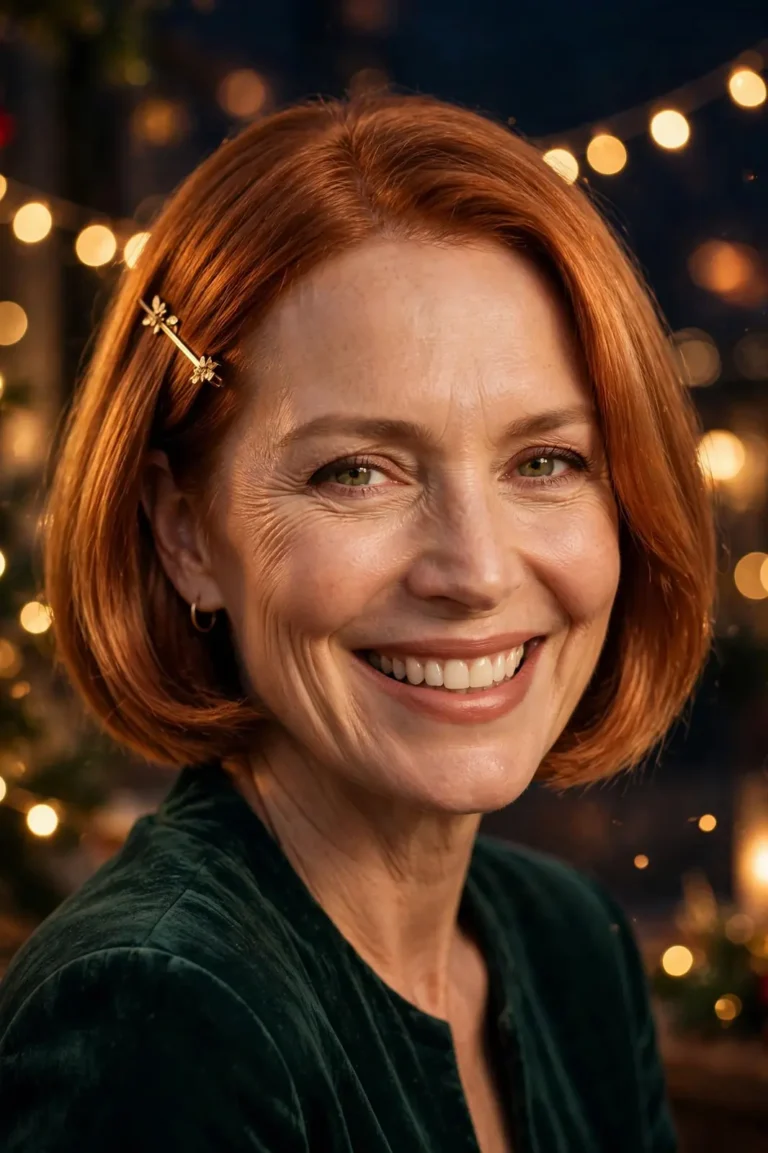
Something shifts about hair in your 40s. Texture changes, the hairline softens, volume moves around, and the cuts that looked effortless at 28 start working against you. But this decade is not about playing it safe or going short “because you should.” It is about choosing smarter. The women who look effortlessly polished in their 40s are not copying a celebrity’s exact haircut strand for strand — they are borrowing flattering principles and tailoring them to their own face, texture, and real morning routine.
This inspiration guide gives you 7 flattering principles, each with 3 ways to wear it — 21 looks total. Borrow the principle, don’t copy the whole look. Start with the 5-point checklist to learn what actually flatters you, skim the overview table to pick your principles, then dive into the sections that call your name.
One honest note before we begin: there is no single best hairstyle for women over 40 locked inside one photo. There are ideas that flatter nearly everyone — and this guide is built so you can mix them into something unmistakably yours.

Your 5-Point Checklist — Simple Hairstyles for Short Hair for Finding the Best Hairstyle for Women Over 40
Before borrowing any idea, run it through this checklist. A look that passes all five is a keeper; one that fails two or more belongs on someone else.
1. The face-shape test. Pull your hair straight back and look in the mirror. Where does your face widen — forehead, cheeks, jaw? Face-framing pieces should soften the widest point, not hug it.
2. The texture truth. Fine, thick, wavy, coily — your texture decides the cut more than any photo does. Choose ideas built for hair like yours, and you will fight your mornings far less.
3. The 10-minute rule. Be honest about your real routine. If a style needs 30 minutes and you have 10, it is the wrong style no matter how good the photo looks.
4. The gray plan. Blending, covering, or growing it out — pick one on purpose. The most flattering color is the one you maintain, not the one you wish you maintained.
5. The smile test. Imagine the finished look on you on a normal Tuesday. If it makes you stand a little taller, it is right. Hair should give you energy, not homework.
The 7 Principles at a Glance
Skim this table, circle the principles that fit your hair and your life, then jump to those sections.
| Principle | Best For | Effort Level |
|---|---|---|
| Face-Framing Layers | Every face shape | Low |
| Root Volume | Fine or flattening hair | Low–Medium |
| Soft Fringe | Longer foreheads, strong features | Medium |
| Flattering Length | Anyone rethinking their length | Low |
| Dimensional Color | Flat, one-tone color | Medium |
| Healthy Shine | Dull or dry hair | Low |
| Effortless Texture | Busy mornings, natural waves | Low |
Principle 1: Face-Framing Layers
The single most borrowed idea in this guide. Layers that start around the chin and curve toward the face soften features, add movement, and make almost any length look intentional. You are not copying a layered haircut — you are borrowing the idea that the front pieces do the flattering work.

The Chin-Grazer. The shortest layer begins right at the chin, curving inward. Beautiful on longer faces and anyone whose jawline wants softening.
The Curtain Sweep. Longer front pieces that part in the middle and sweep outward like curtains. Works at nearly any length and grows out gracefully.
The Cheekbone Whisper. Short, wispy pieces that land at the cheekbones, cut to flick outward. Adds lift and light around the eyes without a full fringe.
Principle 2: Root Volume
After 40, hair often lies flatter at the crown — and flat roots read tired. The principle to borrow: lift lives at the root and stays invisible everywhere else. You do not need big hair; you need hair that does not cling to your scalp.

The Round-Brush Lift. Dry the crown sections upward with a medium round brush, rolling away from the face. Two minutes at the roots beats twenty minutes on the ends.
The Velcro-Roller Set. Three large rollers at the crown while you do your makeup, then release and shake. Old-school tool, completely modern result.
The Flipped Part. Switch your part to the opposite side once a week. Hair “remembers” its part, and the switch creates instant, product-free volume.
Principle 3: Soft Fringe
A fringe is the fastest facelift a pair of scissors can give — but the heavy, straight-across bang of your twenties is not the borrow here. The principle: a soft, broken edge across the forehead diffuses lines and draws attention to the eyes. Keep it piecey, keep it long enough to tuck.

The Curtain Fringe. Parted in the middle, longer at the edges, blending into the face-framing layers. The most forgiving fringe there is — it grows out into layers instead of an awkward stage.
The Side-Swept Sweep. A deep side part with the fringe swept across the forehead. Brilliant for strong features and anyone who wants asymmetry without commitment.
The Wispy Brow-Skimmer. Light, feathered, just kissing the brows. Ask your stylist to point-cut the ends so it never reads as a solid block.
Principle 4: Flattering Length
Forget the old rule that hair must get shorter with age. The real principle: the most flattering length is the one your ends can actually support. Healthy collarbone-length hair beats damaged waist-length hair every time — and a precise shorter cut beats straggly “long” hair just as surely.

The Collarbone Cut. Ends landing right at the collarbone — long enough to tie back, short enough to look thick. The universal crowd-pleaser of this decade.
The Long-Layer Keep. Keeping your length but adding long, blended layers from the chin down so it moves instead of hanging. If you are growing toward a goal length, the hair growth calculator shows you honestly how long the journey takes.
The In-Between Lob. The long bob that sits between chin and shoulder — polished, modern, and the easiest length to style in under ten minutes.
Principle 5: Dimensional Color
One flat, all-over color can drain the face — especially as skin tone softens with age. The borrow: dimension. A few lighter pieces around the face and subtle depth underneath mimic the way sunlight hits hair and bring warmth back to the complexion.

The Face-Brightening Money Piece. Two lighter ribbons framing the face — the highest-impact, lowest-commitment color move there is. Before you book, run your options through the hair color matcher to see which warm tones suit your skin.
The Warm Balayage Melt. Hand-painted lightness that melts from your natural base — no harsh line, no monthly root emergency. Ask for warmth, not ash, if your skin has gone paler.
The Soft Gray-Blend. For those growing out gray: fine, blended highlights that let silver thread through on purpose instead of fighting it. Gray worn deliberately is a statement, not a surrender.
Principle 6: Healthy Shine
Shine is youth in a bottle — light reflecting off a smooth cuticle makes hair look thicker, healthier, and more expensive. The principle to borrow is not a product but a finish: whatever your cut, the surface should catch the light. Dull hair ages a style faster than any length or color choice.
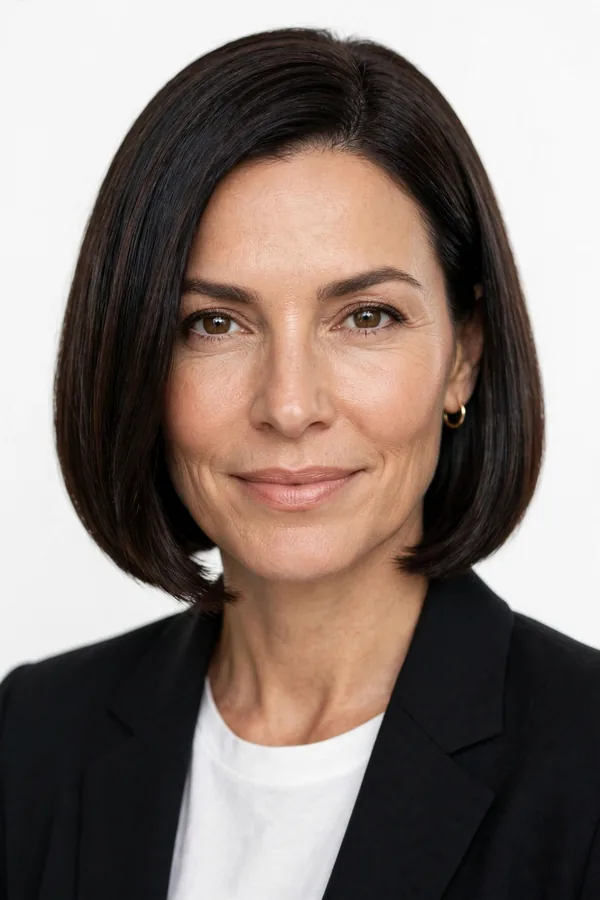
The Gloss Treatment. A clear or toned gloss at the salon every couple of months seals the cuticle and boosts reflectivity — cheaper than a color service, nearly as transformative.
The Silk-Press Finish. For textured hair, a silk press gives that glass-like surface without permanently altering your pattern. Shine plus your natural body is the best of both worlds.
The Overnight Shine Ritual. A pea-sized drop of lightweight oil on the mid-lengths before bed, slept on a satin pillowcase. Zero morning effort, visible difference in a week.
Principle 7: Effortless Texture
The undone look is not laziness — it is a principle. Slightly lived-in texture reads modern and relaxed, while over-styled “done” hair can read dated. The borrow: let your hair’s natural movement show, and style just enough to look intentional. If you are unsure which finish suits your pattern, a quick hair type quiz takes the guesswork out.
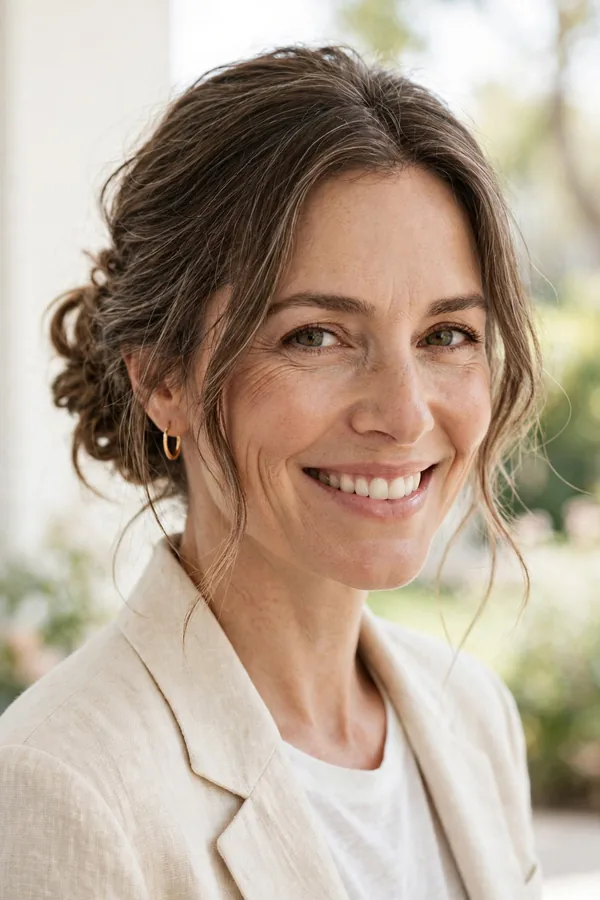
The Loose Low Bun. Gathered low at the nape with soft pieces left out around the face — elegant in thirty seconds, and kinder to the hairline than a high tight pony.
The Soft Twist-and-Pin. Twist each side back loosely and pin where they meet. It looks intricate; it takes two minutes and four bobby pins.
The Undone Wave. Sleep in two loose braids, unravel in the morning, shake. The wave is imperfect on purpose — that is what makes it modern.
Quick Answers
How often should I update my hairstyle in my 40s?
Revisit the cut every 8–10 weeks for trims, and reassess the whole look about once a year. Small, regular updates beat one dramatic overhaul every five years.
Are bangs flattering after 40?
Soft ones, yes. Curtain, side-swept, or wispy fringes flatter nearly everyone; heavy straight-across bangs can emphasize lines rather than soften them.
Does hair have to get shorter after 40?
No — that rule is retired. The best hairstyle for women over 40 is the one that fits your face, texture, and routine, whether that ends at the chin or the waist. Health of the ends matters more than inches.
What is the most flattering hair color in your 40s?
Whatever adds dimension and warmth around your face. Flat, one-tone color of any shade is what ages a look — a money piece or soft balayage usually fixes it in one appointment.
How do I know if layers will suit me?
If your hair hangs flat or your face needs softening, layers help. Start long and blended — your stylist can always take more off, but they cannot put it back.
Your next step is simple.
Take the hair type quiz — know your texture, then pick your principles.
Run the hair color matcher — preview the shade before you book the chair.
Try the hair growth calculator — set a length goal you can actually hit.
Then borrow from 100 more ideas in our 100 gorgeous hairstyles inspiration guide.
💬 Join Our Hair Community
Style Havenly | Hairstyles, Hair Color & Hair Care for Women — share your looks, get ideas, and chat with fellow hair lovers.