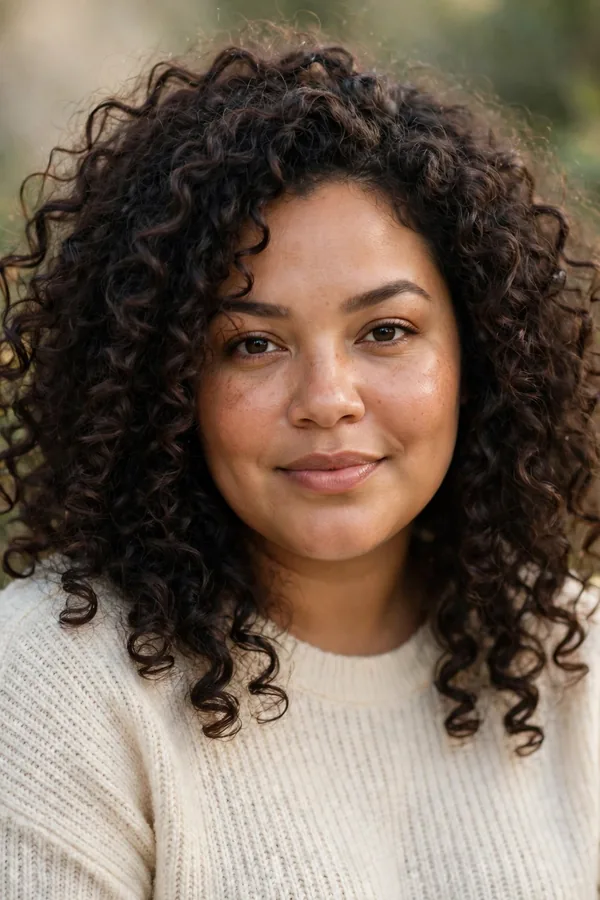
24 New-Look Short Hairstyles for Thick Hair Over 40
Looking for short hairstyles for thick hair over 40 that actually behave? Thick hair is a gift — until you cut it short and it suddenly has opinions. The puff at the sides, the triangle silhouette, the cut that looked incredible leaving the salon and like a helmet by Thursday. The good news: thick hair over 40 takes beautifully to short lengths when the cut is engineered for density. This guide is your practical playbook for getting a fresh, modern short cut that works with your thickness instead of fighting it.
Below are five principles that make short hairstyles for thick hair actually wearable — the debulking, the growth pattern, the length choice, the texture, and the color placement. Master these with your stylist and you will get a new look that styles itself on busy mornings and still photographs beautifully from every angle.

Debulk the Right Way: Volume That Lifts, Not Swells

The number-one difference between a short cut that loves thick hair and one that fights it is strategic weight removal. Ask your stylist for interior layering or point-cutting through the mid-lengths — never blunt, one-length perimeter cuts on dense hair. Thinning shears used through the ends (not the roots) remove bulk without creating frizz.
Show your stylist where the pouf starts before any cutting begins. If your hair swells at the ears, that is where the debulking belongs. A good stylist removes weight in three dimensions — under the crown, through the sides, behind the ears — so the finished shape tapers inward instead of mushrooming outward. Not sure how dense your hair really is? Our hair type quiz maps your density and texture in two minutes.
Get it debulked every other trim, not just at the first cut. Thick hair regrows its bulk fast; a five-minute thinning pass between full cuts keeps the shape airy for months.
| Skip This | Try This Instead |
|---|---|
| Blunt one-length bob on very thick hair | Interior layers + point-cut ends to release weight |
| Thinning shears raked near the roots | Debulking through the mid-lengths and ends only |
| Assuming one debulking lasts forever | A thinning pass every other salon visit |
| Cutting the sides to match the back exactly | Tapering the sides slightly under for a slimming line |
Cut With the Growth Pattern, Not Against It

Thick hair has a mind of its own, and that mind is called the growth pattern — the cowlicks, the swirl at the crown, the section behind your ear that flips no matter what. A new-look cut works when it follows these patterns, giving them room instead of forcing them flat. Show up to your appointment with your hair in its natural state so your stylist can read it.
Part your hair where it naturally falls rather than where the trend says to. Thick hair over 40 looks most modern with a side part or a soft off-center part, because it lets the heaviest section sweep instead of stack. Keep slightly more length where the cowlick lives — length is weight, and weight tames rebellion.
Learn your hair’s two-day behavior before judging a cut. Thick short hair often looks best on day two, when natural oils settle the volume. Judge the cut on day two, not minute two.
| Skip This | Try This Instead |
|---|---|
| Fighting a strong cowlick with a flat style | Extra length over the cowlick so weight holds it down |
| Forcing a center part on asymmetric growth | A side or off-center part where hair naturally falls |
| Arriving with pin-straight ironed hair | Arrive natural so the stylist reads your true pattern |
| Judging the cut while still in the chair | Judge on day two — thick hair settles beautifully |
Choose Length That Moves: The Face-Framing Sweet Spot

On thick hair, the most flattering short lengths sit between the chin and the cheekbone — the zone where density becomes movement instead of mass. This short hairstyle for women over 40 with new looks for thick hair keeps pieces long enough to curve, swing, and tuck behind an ear, which is what reads as “styled” with almost zero effort.
Ask for face-framing pieces that start at the cheekbone and taper down. These lighter front sections draw the eye upward and soften the jawline — they are the single most youth-giving detail in any short cut for women in their 40s. Avoid cutting everything to the same short length; uniform length on thick hair reads heavy and dated.
Leave one tuckable section on at least one side. That small choice — being able to tuck one side behind your ear — gives you two hairstyles for the price of one and a break from the heat on your neck.
| Skip This | Try This Instead |
|---|---|
| All-over uniform short length | Varied lengths — shorter back, longer face-framing front |
| Cutting right at the widest part of the face | Lengths that end at the cheekbone or chin, never between |
| No pieces long enough to tuck | One tuckable section per side for versatility |
| Square, boxy perimeter lines | Rounded, tapered edges that follow your face shape |
Let Texture Do the Work: Wash-and-Wear Styling

The secret weapon of thick short hair is texture that styles itself. A cut with carved-in texture — point-cut ends, sliced layers, a lived-in perimeter — looks finished even when you do nothing. Ask your stylist to “cut the style into the hair, not onto it,” and you will wake up already halfway styled.
Scrunch, don’t smooth. On wash days, work a pea-sized amount of lightweight cream through damp hair and scrunch upward — thick hair’s natural bend does the rest. Rough-dry with your fingers instead of a round brush on busy mornings; the slight imperfection is exactly what makes modern short cuts look modern.
Keep one hero product, not six. Thick short hair responds best to a single multitasking cream or salt spray. A cluttered product shelf is usually the reason thick hair feels heavy by noon. Planning to grow your pixie into a bob someday? Our hair growth calculator maps the grow-out timeline so you can plan the in-between stages.
| Skip This | Try This Instead |
|---|---|
| Flat-ironing thick short hair every day | Scrunch-and-go texture with one lightweight cream |
| Layering four or five styling products | One hero product — cream or salt spray |
| Round-brushing every section to perfection | Finger rough-dry for lived-in modern texture |
| Brushing dry thick hair between washes | Dampen and re-scrunch — never dry-brush |
Color Placement That Slims: Depth Without Weight

On short thick hair, color is a shaping tool. Strategic highlights through the top and around the face break up density visually, making hair look lighter and more dimensional without removing a single strand. This is where a new look becomes a new-look look — same cut, transformed by light.
Keep the underneath slightly deeper than the top. A darker nape and underlayer creates a shadow effect that slims the silhouette, while brighter pieces on top draw the eye up. Add face-framing brightness — two or three lighter pieces around the face lift your complexion instantly. Wondering which tones flatter your skin? Our hair color matcher finds your most luminous shades.
Refresh gloss, not color, between appointments. A clear or tinted gloss every few weeks keeps short thick hair shiny and the color dimensional — shine alone makes thick hair look half as heavy.
| Skip This | Try This Instead |
|---|---|
| One flat all-over color on thick hair | Dimensional color — brighter top, deeper underneath |
| Heavy highlights right at the scalp everywhere | Face-framing brightness + soft interior dimension |
| Letting color go dull between appointments | A gloss refresh every few weeks for shine |
| Chunky stripes that chop up the shape | Fine, blended placement that flows with the cut |

Troubleshooting: Thick Short Hair Emergencies
- The triangle — wide at the bottom, flat on top? You need interior debulking at the sides and slightly more length on top. Book a thinning pass, not a full recut.
- Poufing in humidity within an hour? Smooth a pea-sized drop of anti-frizz cream over the surface with flat palms before you leave — never rake fingers through dry thick hair.
- Growing into a mushroom between cuts? Thick hair outgrows short shapes fast. Trims every 5–6 weeks keep the silhouette sharp; stretch to 8 and the shape collapses.
- Fringe too heavy and curtain-like? Ask for the fringe to be point-cut and slightly thinned at the ends — thick fringes should be airy, not a solid wall.
- Back of the neck sweaty and bulky? A tapered or undercut nape removes the heaviest section entirely and keeps you cool — invisible from the front.
- Layers separating into chunky sections? The layers were cut too long apart for your density. Sliced, closer layers blend thick hair instead of sectioning it.
- Flat crown with wide sides? Add root lift at the crown with a round brush on damp hair, just at the roots — two minutes changes the whole silhouette.
- Cut looks dated by month two? Refresh the perimeter line and the face-framing pieces — those two details date a cut fastest, and both are a ten-minute salon fix.
Match Your New Look to the Moment
| Situation | Best Short Style for Thick Hair | Why It Works |
|---|---|---|
| Work meeting | Sleek tapered pixie | Polished, sharp, and stays put through a long day |
| Wedding guest | Textured bob with face-framing pieces | Soft movement photographs beautifully and holds shape |
| Gym morning | Headband + natural texture | Sweat dries fast on short hair; texture hides the workout |
| Humid vacation | Curly crop with curl cream | Humidity becomes your styler — curls thrive in moisture |
| Date night | Asymmetric cut with a deep side part | Edgy and confident — one style does all the talking |
| Family photos | Glossy bob with tucked side | Shine and symmetry read timeless in pictures |

New-Look Short Hair FAQ
Will going short make my thick hair puff out?
Only if the cut ignores your density. A short cut with interior debulking, tapered sides, and texture cut into the ends controls puff completely — the puff comes from blunt, bulky shapes, not from shortness itself.
How often do I need trims with thick short hair?
Every 5–6 weeks. Thick hair regrows its bulk quickly, so the shape softens faster than on fine hair. A quick thinning pass between full cuts stretches the life of the style.
Pixie or bob — which suits thick hair over 40 better?
Both work when debulked properly. Pixies show off bone structure and need the least styling; bobs give you tucking and tuck-behind-the-ear versatility. Choose by how much morning effort you want, not by your hair’s thickness.
Can I air-dry thick short hair and still look polished?
Yes — if the texture is cut in. Scrunch a lightweight cream into damp hair and let it air-dry; carved-in layers fall into shape on their own. Only cuts that depend on heat styling need heat styling.
What is the one product thick short hair actually needs?
A single lightweight styling cream or salt spray — applied to damp hair, pea-sized amount. Thick short hair needs hold and definition, not moisture layering; one multitasking product does the job without weighing hair down.
💗 More to Explore
How to Choose Short Hairstyles for Thick Hair Over 40
New looks work best when they fit your life, not just the mirror. Pick the short hairstyles for thick hair over 40 that match your morning routine — then ask your stylist to debulk, shape, and finish it for you.
“The Mirror-Glow Promise: a great short cut for thick hair does not ask you to become a different person every morning — it meets the person you already are.”
Your thickness was never the problem; it was always the raw material. Take the hair type quiz to map exactly what you are working with, let the hair color matcher find the dimension that makes your new cut glow, and use the hair growth calculator if you ever decide to grow it out again. For a hundred more ideas to bring to your stylist, browse our 100 gorgeous hairstyles collection — then walk into that appointment knowing exactly what to ask for.
💬 Join Our Hair Community
Style Havenly | Hairstyles, Hair Color & Hair Care for Women — share your looks, get ideas, and chat with fellow hair lovers.